
How Long Should a Pool Pump Run Each Day?
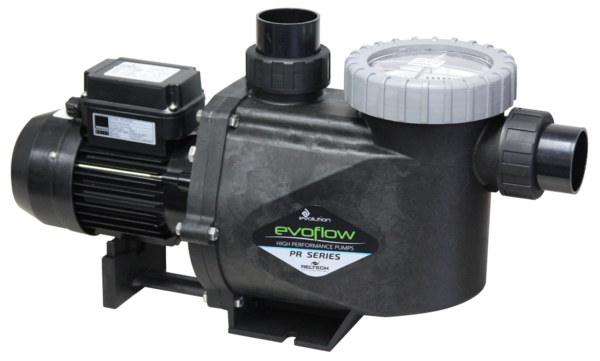
One of the most common questions pool owners ask is,
how long should I run a pool pump each day?
Getting the correct pool pump run time is important for maintaining clear, healthy water while keeping electricity costs under control. Run your pump too little and your pool may become cloudy or unsafe. Run it too long and you’ll waste energy and increase your power bill.
For pool owners on the Gold Coast, the right pool circulation time is particularly important due to the warm climate, strong sunlight, and regular pool use throughout the year.
In this guide we explain:
The ideal pool pump run time
How long to run a pool pump in summer vs winter
The cost of running a pool pump
Why daytime circulation improves chlorine effectiveness
How solar power can reduce pool running costs
What Is Pool Pump Run Time?
Pool pump run time refers to how long your pool pump operates each day to circulate water through the filtration system. During this time, water moves through:
the pool pump
the filter
the chlorinator or sanitising system
This process removes debris, distributes chemicals, and keeps your water clean and safe. The goal is to achieve sufficient pool circulation time so the entire volume of pool water is filtered multiple times per day.
How Long Should You Run a Pool Pump?
For most residential pools on the Gold Coast, the recommended pool pump run time is:
Winter: 6–8 hours per day
Summer: 8–12 hours per day
Pools require longer pool circulation time during warmer months because:
Higher water temperatures increase algae growth
Pools are used more often
Heavy rain introduces debris and contaminants
Chlorine breaks down faster in sunlight
Saltwater pools may also require longer pump operation to allow the chlorinator to produce enough chlorine.
If you are unsure how long to run your pool pump, a professional pool service can calculate the ideal run time based on your pool size and equipment.
Why Running Your Pool Pump During the Day Is Best
Many people try to run their pool pumps overnight to save electricity, but running your pump during the day is usually the most effective option.
The main reason is UV sunlight destroys chlorine.
During the hottest part of the day:
chlorine levels drop faster
algae growth becomes more likely
sanitiser demand increases
Running your pool pump during daylight hours allows your chlorinator to replace chlorine as it is being consumed by UV light. For most Gold Coast pools, the ideal pump schedule is late morning through late afternoon. This keeps sanitiser levels stable and improves overall water quality.
How Much Does It Cost to Run a Pool Pump?
A pool pump is one of the larger electricity users in many households, but the cost depends on pump size and run time. A typical pool pump uses 750 – 1500 watts per hour.
If a 1 kW pump runs for 8 hours per day, it will use approximately 8 kWh of electricity daily. With electricity prices around $0.30 per kWh, the cost is roughly:
$2.40 per day
$70 per month
Actual costs vary depending on pump efficiency and electricity rates.
Pool Pump Electricity Use Compared With Other Appliances
To understand pool pump energy usage, it helps to compare it with other common household appliances.
Typical power usage:
Pool Pump – 750 to 1500 watts
Refrigerator – 150 to 400 watts
Washing Machine – 500 to 1000 watts
Dishwasher – 1200 to 1800 watts
Air Conditioner – 2000 to 5000 watts
While a pool pump runs longer than many appliances, efficient operation and correct pool circulation time can significantly reduce electricity use.
How Rooftop Solar Can Reduce Pool Pump Costs
The Gold Coast has excellent solar conditions, which makes rooftop solar panels a great match for pool equipment. Solar systems produce the most power during the middle of the day, which is also the ideal time to run your pool pump.
Benefits of running your pool pump on solar power include:
Lower electricity bills
More efficient daytime circulation
Reduced environmental impact
Better chlorine production during peak sunlight
Many homeowners find that running their pump during peak solar production can reduce the effective cost of pool pump run time to almost zero. We use and recommend 4 Shore Solar for Solar Installation and Repairs
Tips for Running Your Pool Pump Efficiently
To maximise efficiency and reduce energy costs, follow these tips:
Use a Variable Speed Pool Pump
Modern variable-speed pumps can reduce electricity usage by up to 70% compared with older single-speed pumps. Talk to us about pool pump options.
Keep Your Filter Clean
Dirty filters restrict water flow and reduce circulation efficiency.
Use a Pump Timer
A timer ensures your pump runs for the correct pool pump run time every day.
Run Pumps During Daylight
Daytime operation improves chlorine production and can take advantage of solar power.
Signs Your Pool Pump Run Time May Be Too Short
If your pool circulation time is too short, you may notice:
cloudy water
algae growth
debris settling on the pool floor
inconsistent chlorine levels
Increasing your pool pump run time slightly may solve the issue, but it’s always best to ensure your pool chemistry and filtration system are working correctly.
Professional Pool Servicing on the Gold Coast
Every pool is different. The ideal pool pump run time depends on:
pool size
pump type
filter system
sun exposure
pool usage
At Perfect Balance Pool Care we help Gold Coast pool owners optimise pool circulation time, reduce running costs, and keep pools crystal clear all year round.
If you need help determining how long to run your pool pump, our professional pool service can inspect your system and recommend the most efficient setup.
📞 Call Jamie on 0407 696 002 to book your next pool service and get your pool system running as cost effectively as possible.